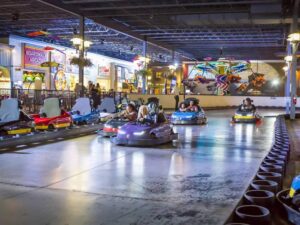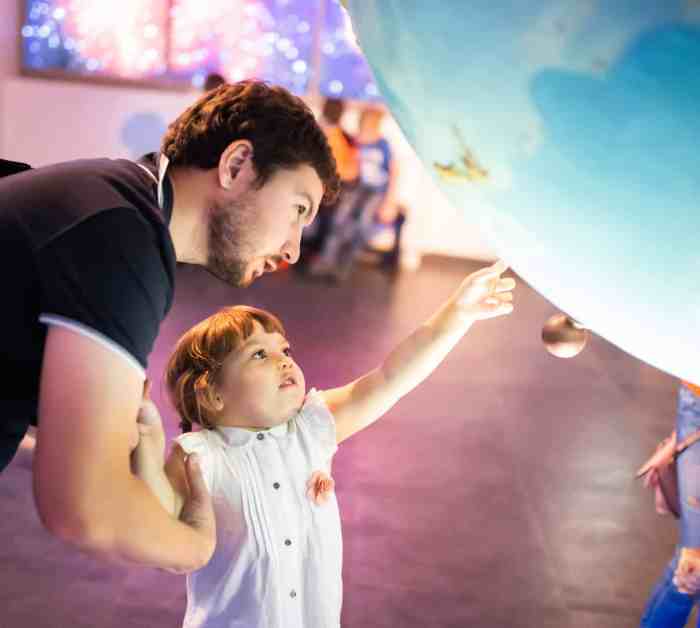
Edutainment attractions combine education and entertainment, creating dynamic experiences that engage visitors while imparting knowledge. In today’s fast-paced world, these attractions play a crucial role in making learning enjoyable, allowing people of all ages to explore new concepts in interactive ways.
From science museums to interactive theme parks, edutainment attractions enrich our understanding of various subjects while providing fun experiences. They serve as valuable resources, effectively blending educational content with entertainment to foster curiosity and learning.
Understanding Edutainment Attractions
Edutainment, a blend of education and entertainment, has become a significant concept in contemporary society. It aims to engage audiences in learning experiences that are both informative and enjoyable. This blend serves not only to educate but also to captivate, making information more accessible and memorable for individuals of all ages. As we navigate through an information-rich world, edutainment attractions play a crucial role in how knowledge is disseminated and absorbed.The development of edutainment attractions requires a careful balance between educational content and entertainment value.
Creating an engaging experience involves incorporating interactive elements, storytelling, and immersive environments that encourage participation. This fusion enhances the learning experience, as visitors are more likely to retain information when it is presented in an entertaining format. The role of education in these attractions is to provide factual and enriching content, while entertainment captivates audiences, transforming passive learning into an active exploration of knowledge.
Examples of Popular Edutainment Attractions Worldwide
Edutainment attractions can be found around the globe, each offering unique insights and experiences. These venues often combine fun with learning, making them popular among families, schools, and tourists alike. Here are some notable examples:
- Disney’s Epcot (USA)
-This theme park focuses on technological innovation and cultural exploration, featuring pavilions that showcase countries from around the world and promote understanding of global cultures. - The Exploratorium (USA)
-Located in San Francisco, this interactive science museum invites visitors to engage with exhibits that make complex scientific concepts approachable and entertaining. - Science Museum (UK)
-Based in London, this museum hosts a variety of interactive exhibits that allow guests to explore advancements in science and technology throughout history. - KidZania (Multiple Locations)
-This interactive city environment allows children to role-play various careers, combining play with learning about real-world jobs and responsibilities. - Universal’s Islands of Adventure (USA)
-While primarily a theme park, it includes attractions that delve into stories from literature and film, educating visitors about the narrative and creative processes behind their favorite stories.
Each of these attractions exemplifies how educational content can be woven into enjoyable experiences, making them effective tools for learning.
“The best way to predict the future is to create it.” – Peter Drucker
Design and Development of Edutainment Attractions
The design and development of edutainment attractions involves a multifaceted approach that combines creativity, educational intent, and practical execution. This process takes a concept from its initial inception to a fully functional and engaging experience that appeals to a wide audience. Understanding the intricate steps involved is essential for creating attractions that effectively blend learning with entertainment.The design process begins with conceptualization, where ideas are generated based on target demographics, educational goals, and entertainment value.
Collaboration among various stakeholders, including educators, designers, and marketers, is crucial during this phase. Once the concept is solidified, the next step is the development of the attraction, which includes drafting blueprints, selecting materials, and integrating technology to enhance the visitor experience.
Integrating Educational Components within Entertainment Experiences
The successful integration of educational components is vital for ensuring that visitors gain knowledge while enjoying the attraction. This can be achieved through several methods:
- Interactive Exhibits: Hands-on activities that encourage participation can make learning more engaging. For example, a science center may include experiments that visitors can conduct themselves.
- Storytelling Techniques: Narratives can be used to weave educational content into the attraction. This approach allows complex topics to be presented in relatable and memorable ways.
- Gamification: Incorporating game-like elements such as challenges, rewards, and competition can motivate visitors to learn while having fun. An example is a scavenger hunt that requires participants to solve puzzles related to the theme of the attraction.
These methods not only enhance the educational value but also ensure that the experience is enjoyable, thus increasing the likelihood of repeat visits.
Key Factors Contributing to the Success of Edutainment Attractions
Several key factors contribute to the success of edutainment attractions, ensuring they resonate with visitors and fulfill their intended educational purposes:
- Target Audience Understanding: A deep understanding of the interests, age groups, and educational needs of the target audience is essential for tailoring the attraction effectively.
- Quality of Content: The educational content must be accurate, relevant, and engaging, presented in a way that resonates with visitors. Collaboration with experts in education and various subject matters can enhance content quality.
- Accessibility and Inclusivity: Attractions should be designed to accommodate a diverse audience, including children, adults, and individuals with disabilities. This can involve providing multilingual resources, physical accessibility, and varying levels of engagement.
Ultimately, the success of an edutainment attraction hinges on its ability to create a memorable experience that balances learning with enjoyment, encouraging visitors to return and share their experiences with others.
Impact of Edutainment Attractions on Learning
Edutainment attractions have emerged as pivotal tools in enhancing learning experiences across various age groups. By integrating entertainment with education, these attractions not only foster engagement but also facilitate deeper understanding of complex concepts. They cater to diverse learning styles, allowing learners to absorb information in dynamic and interactive environments.The unique design of edutainment attractions leverages interactive elements, sensory stimulation, and real-world applications, all of which significantly enhance learning outcomes.
For example, a science museum with hands-on exhibits enables children to grasp scientific principles through exploration and experimentation. Such attractions can serve multiple educational purposes, from school field trips to community learning initiatives.
Learning Outcomes for Various Age Groups
Different age groups benefit from edutainment attractions in distinct ways, making them effective across the educational spectrum. The following points illustrate how various demographics are impacted:
- Early Childhood: Younger children engage in play-based learning, where attractions like interactive storybook exhibits help develop literacy and social skills through imaginative play.
- Elementary School: Hands-on science centers provide opportunities for children to perform experiments, boosting critical thinking and sparking interest in STEM fields.
- Adolescents: Teenagers visiting historical reenactments can gain insights into cultural heritage and social studies, promoting empathy and a deeper understanding of societal issues.
- Adults: Workshops and adult learning programs at edutainment venues can enhance professional development, offering skills training in a collaborative environment.
The incorporation of edutainment attractions into educational settings can be highly effective. Schools often utilize these venues for field trips, where students can experience practical applications of classroom subjects. For instance, a visit to an aquarium can enhance lessons on marine biology, while a trip to a historical site can bring history lessons to life.
Challenges and Limitations in Formal Education
Despite the significant benefits, the integration of edutainment attractions into formal education is not without its challenges. Some of the primary concerns include:
- Accessibility: Not all schools have equal access to nearby edutainment attractions, which can lead to disparities in educational opportunities.
- Curriculum Alignment: Ensuring that attractions align with educational standards and curriculum can be difficult, potentially limiting their effectiveness in achieving specific learning goals.
- Resource Allocation: Budget constraints may hinder schools from organizing field trips or engaging with edutainment attractions effectively, impacting overall student participation.
- Retention of Knowledge: While interactive experiences are memorable, there is a risk that students may not retain information without adequate follow-up activities or reinforcement in the classroom.
“Edutainment attractions can be powerful catalysts for learning, but they must be thoughtfully integrated into educational frameworks to maximize their potential.”
The impact of edutainment attractions on learning is profound, offering innovative solutions to traditional educational challenges while also presenting a unique set of limitations that educators must navigate.
Last Point
In summary, edutainment attractions not only entertain but also educate, making them invaluable in both informal and formal learning environments. As we embrace these innovative experiences, it’s clear that they can significantly enhance our approach to education, making learning more accessible and enjoyable for everyone.
FAQ Resource
What are edutainment attractions?
Edutainment attractions are venues or experiences that combine educational content with entertainment, making learning engaging and enjoyable.
Who can benefit from edutainment attractions?
People of all ages can benefit, as these attractions are designed to cater to diverse learning styles and interests.
How do edutainment attractions enhance learning?
They provide hands-on experiences and interactive elements that make concepts more relatable and easier to understand.
Are there challenges associated with edutainment attractions?
Yes, some challenges include ensuring educational accuracy and balancing entertainment with learning objectives.
Can edutainment attractions be used in formal education?
Absolutely, they can be integrated into school curriculums to enhance traditional teaching methods and engage students.