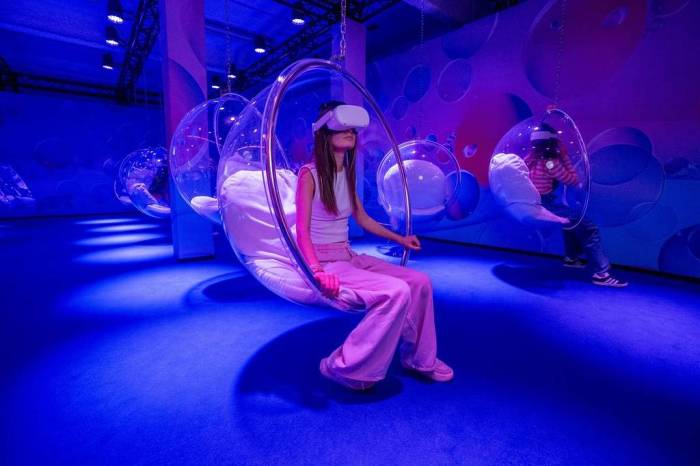
Virtual reality attractions are revolutionizing the amusement park experience, transporting visitors into vibrant worlds filled with adventure and excitement. These immersive environments engage the senses and enhance storytelling, making them a standout feature in contemporary entertainment.
From thrilling rides that merge gaming elements with captivating narratives to cutting-edge technology that elevates visitor interaction, virtual reality attractions are reshaping how we perceive fun and entertainment. Whether it’s a heart-pounding roller coaster simulation or an enchanting journey through fantastical realms, these attractions draw guests into experiences previously thought to be confined to video games.
Virtual Reality Attraction Types
Virtual reality (VR) attractions in amusement parks are revolutionizing the way visitors engage with entertainment. These experiences allow guests to immerse themselves in fantastical worlds, offering a level of interactivity and excitement that traditional attractions cannot match. As technology has advanced, the variety of VR attractions has expanded, catering to diverse audiences and preferences.The technology behind immersive VR experiences is rooted in advanced graphics, motion tracking, and sensory stimulation.
This combination creates a seamless experience that transports users into a different reality, enhancing visitor engagement through realistic visuals, sounds, and even tactile feedback. The use of headsets, motion controllers, and sometimes even haptic suits enables participants to explore and interact with virtual environments, making them feel as if they are truly part of the experience.
Types of VR Attractions
When it comes to virtual reality attractions, there are several distinct types that cater to various interests and age groups. Each type employs unique technology to create engaging experiences. The following categories showcase the diversity of VR offerings in amusement parks:
- VR Roller Coasters: These combine traditional roller coaster elements with VR headsets, allowing riders to experience enhanced visuals and narratives while enjoying the thrill of the ride. For instance, riders might find themselves soaring through a fantasy landscape or dodging obstacles in a high-speed chase.
- Immersive Simulators: These attractions simulate real-world activities such as flying, racing, or extreme sports. The environments are designed to provide realistic feedback; for example, a flight simulator can mimic the sensations of takeoff and turbulence.
- Escape Rooms: Virtual escape rooms immerse players in intricate narratives where they must solve puzzles to “escape” within a set timeframe. The storyline and design often draw on popular themes, adding an element of adventure to the challenge.
- Interactive Theatre Experiences: This type merges VR with live performances, allowing participants to be part of the story. Users may interact with virtual characters and environments while navigating a narrative that unfolds around them.
- Multi-User VR Experiences: These attractions facilitate group interaction, where participants can collaborate or compete in a virtual setting. This may include multiplayer games or cooperative tasks that require teamwork to succeed.
The integration of storytelling and gaming is essential in creating immersive VR experiences, engaging visitors on emotional and cognitive levels.
Technology Enhancements in VR Attractions
The technology underlying VR attractions plays a crucial role in their effectiveness and appeal. At the core of these experiences are several key components that enhance immersion and interactivity:
- High-Resolution Displays: VR headsets equipped with high-resolution screens provide clear and detailed visuals, reducing motion blur and enhancing realism, which is essential for engagement.
- Motion Tracking: Advanced sensors track the user’s movements, allowing for a natural interaction with virtual environments. This tracking is vital for creating a sense of presence and agency in the VR experience.
- Audio Technology: Spatial audio systems create a 3D sound environment, making it possible for users to perceive sounds coming from various directions, heightening the immersive experience.
- Haptic Feedback: Devices that incorporate haptic technology provide tactile sensations, allowing users to feel impacts, vibrations, and other physical responses that correspond to their actions within the virtual world.
By blending these technological elements, VR attractions successfully create experiences that are not only visually stunning but also deeply engaging for participants.
The Role of Gaming and Storytelling
Gaming and storytelling are integral to the design of virtual reality attractions. Incorporating these elements enhances visitor engagement and provides a memorable experience.
- Game Mechanics: Many VR attractions use game-like mechanics such as scoring, challenges, and levels to motivate participants. This approach encourages repeated visits as guests aim to improve their performance.
- Narrative Development: A strong storyline captivates visitors, drawing them into the attraction’s world. Storytelling can evoke emotions and connections, making the experience more impactful.
- Character Interaction: Engaging characters can guide users through experiences and offer personalized interactions that deepen the immersion.
- Player Agency: Allowing users to make choices that affect the story or outcome enhances their sense of involvement and investment in the experience.
In conclusion, virtual reality attractions are an exciting frontier in amusement parks, combining technology, gaming, and storytelling to create unparalleled experiences for visitors. As these attractions continue to evolve, they promise to offer even more innovative ways to engage and entertain.
Visitor Experiences and Engagement

Virtual reality (VR) attractions have revolutionized the way visitors interact with entertainment environments. By immersing guests in fully realized worlds, these attractions foster deeper emotional connections, enhancing overall satisfaction and engagement. The unique capabilities of VR provide an experience that transcends traditional amusement rides, marking a significant shift in how entertainment is experienced.The psychological impact of VR experiences is profound compared to traditional rides.
For many, VR allows for the suspension of disbelief, creating a sense of presence that can amplify emotions and make experiences more vivid. Unlike conventional rides, where the audience is a passive observer, VR places the visitor in a reactive role, engaging them directly in the narrative. This active participation can lead to heightened arousal of emotions, creating lasting memories and increasing the likelihood of repeat visits.
The sense of agency afforded by VR can also lead to increased satisfaction, as users feel more in control of their experiences.
Factors Contributing to Memorable Virtual Reality Experiences
Several key elements contribute to making a VR experience memorable for visitors. Understanding these factors can help operators design attractions that maximize visitor engagement and satisfaction.
- Immersion: The degree to which a VR environment captivates the user’s attention plays a critical role in their overall experience. High-quality graphics, realistic sound, and engaging storylines can enhance this immersion, making visitors feel truly part of the experience.
- Interactivity: The ability for users to interact with the environment or elements within it significantly enriches the experience. This can include decision-making paths, physical actions, or even social interaction with other users in a shared VR space.
- Emotional Engagement: Experiences that evoke strong emotional responses, whether joy, fear, or nostalgia, tend to be more memorable. Attractions designed to connect with visitors on an emotional level can lead to lasting impressions and shareable moments.
- Accessibility: Ensuring that experiences can be enjoyed by a wide range of audiences, including those with disabilities, enhances engagement. Considerations for comfort, safety, and user-friendliness can make or break the visitor’s experience.
- Storytelling: A compelling narrative can captivate visitors and pull them into the VR world. Well-crafted stories with relatable characters and interesting plots keep users engaged and invested in their journey.
“Virtual reality not only entertains but also creates profound emotional connections through immersive storytelling and interactivity.”
The combination of these factors can significantly enhance visitor experiences, making VR attractions stand out in the crowded entertainment landscape. By prioritizing immersion, interactivity, emotional engagement, accessibility, and storytelling, operators can create unforgettable experiences that resonate with guests long after they’ve left the attraction.
Future Trends in Virtual Reality Attractions
Virtual reality is consistently evolving, transforming how we perceive entertainment and experiences. As technology advances, new trends are emerging that promise to enhance the appeal and interactivity of virtual reality attractions. These innovations will not only redefine how visitors engage with attractions but also influence the broader amusement and attractions industry.One of the most significant emerging trends is the integration of artificial intelligence (AI) in VR simulations.
AI allows for more personalized experiences, where attractions can adapt in real-time based on visitor preferences and responses. Furthermore, enhanced graphics and processing capabilities are making VR experiences more immersive than ever before, blurring the lines between the virtual and real worlds.
Potential Innovations Enhancing VR Experiences
As the demand for unique visitor experiences grows, several potential innovations are poised to transform VR attractions in amusement parks. These innovations can lead to more engaging, interactive, and memorable visits.
- Location-Based VR: Integrating VR experiences with physical park layouts, allowing guests to navigate through immersive storylines that utilize actual surroundings.
- Multi-Sensory Experiences: Incorporating tactile feedback, scent, and environmental elements to engage the senses beyond sight and sound.
- Social VR: Implementing features that allow multiple visitors to experience VR attractions together, promoting social interaction and shared experiences.
- Wearable Technology: Utilizing devices that track movement and biometrics to create tailored experiences that respond to individual visitor reactions.
- Augmented Reality (AR) Integration: Blending AR with VR to create a mixed-reality experience, where visitors can see virtual elements overlaid on the real world.
The implications of these advancements are far-reaching in the amusement and attractions industry. As VR technology becomes increasingly accessible and affordable, even smaller parks will be able to implement sophisticated VR attractions. This democratization of technology may lead to a surge in competition, prompting parks to innovate continually and differentiate their offerings.
“The future of entertainment lies in creating experiences that are not just seen, but felt.”
Moreover, as consumers become accustomed to high-quality VR experiences, their expectations will evolve, demanding more from traditional attractions. Parks that fail to adapt could risk losing visitor interest, while those that embrace these innovations will likely thrive in an increasingly competitive market. The future of virtual reality attractions is bright, paving the way for an exciting evolution in how we experience amusement and entertainment.
Final Thoughts
In summary, virtual reality attractions are not just a fleeting trend; they represent a significant shift in the way we experience amusement parks. As technology continues to evolve, we can expect even more innovative and engaging experiences that captivate audiences, promising a future where the line between reality and imagination blurs even further.
Clarifying Questions
What are the main types of virtual reality attractions?
Virtual reality attractions typically include immersive rides, interactive experiences, and narrative-driven adventures that utilize advanced VR technology.
How do virtual reality attractions differ from traditional rides?
Unlike traditional rides, VR attractions offer a more personalized and interactive experience, immersing visitors in a digital environment where they can actively participate in the storyline.
Are virtual reality attractions safe for all ages?
While many VR experiences are designed for a broad audience, some attractions may have age or height restrictions due to their intensity.
How does virtual reality impact visitor engagement?
Virtual reality significantly enhances visitor engagement by creating immersive experiences that capture attention and stimulate emotional responses.
What future trends can we expect in virtual reality attractions?
Emerging trends include advancements in VR technology, integration with augmented reality, and enhanced storytelling techniques that will make attractions even more engaging and realistic.