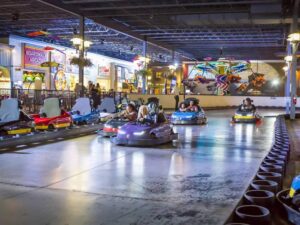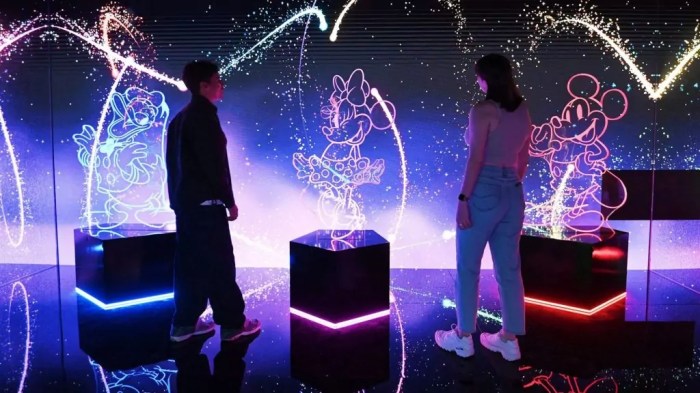
Immersive amusement experiences are transforming the way we enjoy entertainment, taking us on captivating journeys that blend reality with imaginative storytelling. These experiences go beyond traditional amusement park attractions, engaging our senses through cutting-edge technology and thoughtful design.
From thrilling roller coasters enhanced with virtual reality to interactive environments that make us feel part of the adventure, immersive experiences are reshaping the landscape of amusement parks. The careful integration of elements such as sound design, thematic storytelling, and advanced technologies like AR and VR fosters an emotional connection, ensuring that visitors leave with lasting memories.
Immersive Experiences in Amusement Parks
Immersive experiences have transformed the landscape of amusement parks, drawing visitors into worlds where reality blends seamlessly with fantasy. This shift has elevated the standard for entertainment, creating environments that engage all five senses and foster deep emotional connections through storytelling, technology, and interactivity. One of the key elements contributing to immersive experiences in amusement parks includes advanced technology such as augmented reality (AR) and virtual reality (VR).
These technologies allow for the creation of lifelike environments, where guests can explore and interact with their surroundings in ways that were previously unimaginable. Thematic design plays a crucial role, as parks invest in elaborate set pieces, story-driven attractions, and character interactions that enhance the overall experience.
Examples of Popular Attractions Utilizing Immersive Technology
Many renowned attractions around the world exemplify the effective use of immersive technology to captivate audiences. For instance, The Wizarding World of Harry Potter at Universal Studios immerses visitors in the enchanting realm of J.K. Rowling’s creation. Through detailed replicas of iconic locations, such as Hogwarts Castle and Diagon Alley, guests experience the magic first-hand. The use of interactive wand experiences allows visitors to cast spells and engage with their environment, making each visit unique.Another notable example is the Star Wars: Galaxy’s Edge section of Disneyland.
Here, guests can step directly into the Star Wars universe, piloting the Millennium Falcon in a highly interactive ride that responds to their actions. The environment is filled with animatronic characters, themed shops, and immersive dining experiences, further enhancing the feeling of being part of the story.
Psychological Impact of Immersive Environments on Visitors
Immersive environments have a profound psychological impact on visitors, influencing their emotions, behaviors, and memories. The ability to fully engage with a theme park experience can lead to heightened feelings of joy and excitement, creating lasting memories. Studies show that immersive experiences can trigger emotional responses, fostering a sense of belonging and community among guests.
“The brain processes immersive experiences differently, leading to stronger emotional connections and increased satisfaction.”
Additionally, immersive attractions can provide an escape from reality, allowing individuals to temporarily detach from everyday stressors. This form of escapism serves as a therapeutic outlet, allowing guests to recharge and rejuvenate. The engagement of multiple senses through sound, visuals, and even scents creates a holistic experience that resonates deeply with visitors, making their experience more memorable and rewarding.
Technology in Amusement Attractions
The integration of technology in amusement attractions has redefined the visitor experience, making it more immersive and engaging than ever before. With advancements in virtual reality (VR), augmented reality (AR), and interactive elements, parks have transformed traditional rides into captivating adventures that resonate with visitors on multiple levels. The application of these technologies not only enhances the thrill but also adds layers of storytelling and interactivity that were previously unimaginable.
Technologies Enhancing Immersive Experiences
Amusement parks have embraced various technologies that contribute to more immersive and interactive experiences. Key technologies include:
- Virtual Reality (VR): VR creates fully immersive environments where guests can engage in fantastical experiences, such as flying through space or exploring underwater worlds. For instance, the “VR Coaster” allows riders to wear VR headsets that sync visuals with the physical ride motion, enhancing the thrill.
- Augmented Reality (AR): AR blends digital content with the physical world, enabling guests to interact with their environment in novel ways. Parks like Universal Studios have introduced AR-based scavenger hunts where visitors use their smartphones to unveil hidden characters and stories throughout the park.
- Interactive Queues: Many attractions now feature interactive elements in their queues, engaging visitors as they wait. This can include touch screens with games or storytelling elements that set the stage for the ride experience.
- Projection Mapping: This technology transforms surfaces into dynamic displays, creating visually stunning scenes that can change throughout the experience. It’s often used in dark rides to create immersive storytelling environments.
Future Technological Advancements
Looking ahead, the future of technology in amusement attractions is poised for significant evolution. The industry is likely to see further advancements in areas such as:
- Artificial Intelligence (AI): AI is expected to personalize visitor experiences through data analysis, tailoring recommendations for rides and attractions based on guests’ preferences and past behaviors.
- Haptic Feedback Technology: This technology could allow guests to feel sensations like wind, heat, or vibrations during rides, making their experiences even more lifelike.
- Wearable Technology: Devices like smart wristbands could enhance guest interactions with attractions and streamline access, personalizing experiences even further.
- Enhanced Connectivity: Improved internet access within parks will facilitate real-time updates and experiences, allowing visitors to share their experiences on social media seamlessly while interacting with attractions.
Comparison of Traditional Rides with Modern Immersive Attractions
When comparing traditional rides to modern immersive attractions, visitor engagement levels differ significantly. Traditional rides, while thrilling, often focus on physical sensations and speed. In contrast, modern immersive attractions integrate storytelling, character interaction, and technology to create multifaceted experiences that engage a visitor’s imagination and emotions.
“Modern immersive attractions transform passive observers into active participants, enhancing overall visitor satisfaction and repeat attendance.”
For example, while a classic roller coaster provides adrenaline through speed and height, a new immersive ride like “Star Wars: Rise of the Resistance” combines physical movement with narrative-driven interaction and cutting-edge technology, resulting in a richer, more memorable experience. As technology continues to evolve, the gap between traditional and immersive attractions will likely widen, encouraging more parks to invest in these innovative experiences to meet the changing expectations of their visitors.
Designing Immersive Attractions
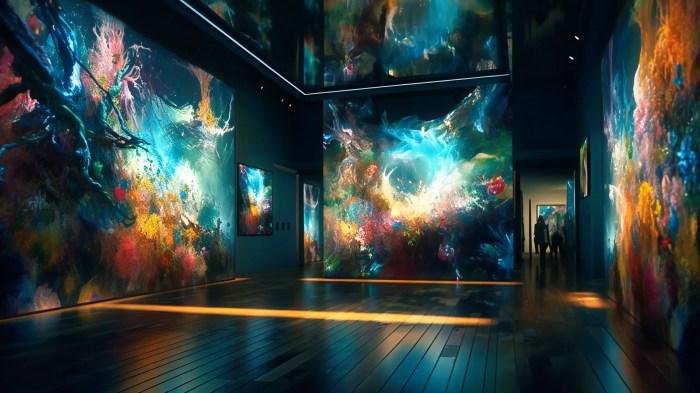
Creating immersive attractions in amusement parks involves a deep understanding of various design principles and the role that storytelling plays in enhancing the visitor experience. Immersive attractions are not just about the rides themselves; they encompass the visitor’s entire journey, from the moment they enter to the last thrill of the experience. The goal is to create an environment that fully engages the senses and transports visitors into a different world, making them feel as if they are part of the narrative unfolding around them.
In designing these attractions, several key considerations must be addressed to ensure that every aspect contributes to an engaging and memorable experience. This involves careful planning and a cohesive approach to various design elements, which can significantly impact the overall effectiveness of the attraction.
Key Considerations for Designing Immersive Experiences
The following points illustrate essential factors that must be taken into account when designing an immersive attraction:
- Theme Consistency: The theme of the attraction should be clear and consistent throughout the entire experience. This includes visual elements, storytelling, and interactive features that all align with the overarching narrative.
- Visitor Flow: Designing the layout of the attraction is crucial for managing visitor flow. Well-planned pathways and queue systems can enhance the experience by minimizing wait times and ensuring smooth transitions between different sections of the attraction.
- Interactivity: Incorporating interactive elements allows visitors to influence their experience actively. This could be through choices that affect the storyline or interactive displays that engage them physically and mentally.
- Accessibility: Ensuring that attractions are accessible to all guests, including those with disabilities, is vital. This enhances inclusivity and expands the potential audience for the attraction.
- Safety Measures: While immersion is key, the safety of visitors cannot be compromised. Safety features must be seamlessly integrated into the design while maintaining the immersive experience.
The Role of Storytelling in Engaging Experiences
Storytelling is a critical aspect of designing immersive attractions, as it creates an emotional connection between the visitor and the environment. A well-crafted narrative can turn a simple ride into an epic adventure. By weaving stories into the attraction, designers can evoke emotions, intrigue, and excitement, thereby enhancing the overall experience. This can be achieved through character-driven narratives, environmental storytelling, and interactive plot developments.
“An engaging story transforms the visitor’s perception of the attraction, making them participants in a larger narrative rather than passive observers.”
Effective storytelling can be categorized into several methods:
- Character Development: Creating relatable characters that visitors can root for or against adds depth to the experience.
- Environmental Storytelling: Using the surroundings, decor, and even the ride mechanics to convey parts of the story encourages immersion.
- Dynamic Plotlines: Allowing for variations in the story based on visitor choices can lead to multiple experiences, enhancing replay value.
Thematic Elements and Sound Design in Immersive Attractions
Thematic elements play a significant role in setting the mood and context of the immersive experience. Every detail—from the architecture to the costumes of actors—should reflect the theme, creating a seamless environment that enhances the storytelling. Additionally, sound design is crucial in immersing visitors into the world of the attraction. The use of sound effects, background music, and even silence can dramatically influence the atmosphere.
“Sound design is the heartbeat of an immersive attraction, guiding emotions and enhancing the sense of presence within the narrative.”
Here are some important thematic and sound design considerations:
- Visual Design: Colors, textures, and architectural styles should align with the theme, enhancing the visual narrative.
- Audio Cues: Using specific sound effects to signal important moments in the story can heighten emotional impact.
- Music Selection: Background scores can set the tone, evoking feelings of excitement, suspense, or nostalgia that resonate with visitors.
- Spatial Sound Design: Implementing surround sound techniques can create a more immersive experience by simulating environmental sounds.
Ending Remarks
In conclusion, the rise of immersive amusement experiences marks an exciting evolution in the world of entertainment, highlighting the importance of innovation and creativity in attracting visitors. As technology continues to advance, we can only anticipate more enthralling attractions that will redefine our expectations and experiences at amusement parks.
FAQ Explained
What makes immersive amusement experiences unique?
They combine storytelling, technology, and themed environments to create a multi-sensory adventure that captivates visitors.
How do technology and storytelling work together in these experiences?
Technology like VR and AR enhances storytelling by allowing visitors to interact with and influence the narrative, making the experience more engaging.
What are some popular examples of immersive amusement experiences?
Attractions like themed escape rooms, interactive dark rides, and VR coasters offer unique immersive experiences that engage multiple senses.
Can immersive experiences be found outside amusement parks?
Yes, they are also present in museums, escape rooms, and even virtual events, where technology is used to create engaging narratives.
What future trends can we expect in immersive amusement experiences?
We can anticipate more personalized experiences through advancements in AI and data analytics, as well as even more interactive and immersive technologies.