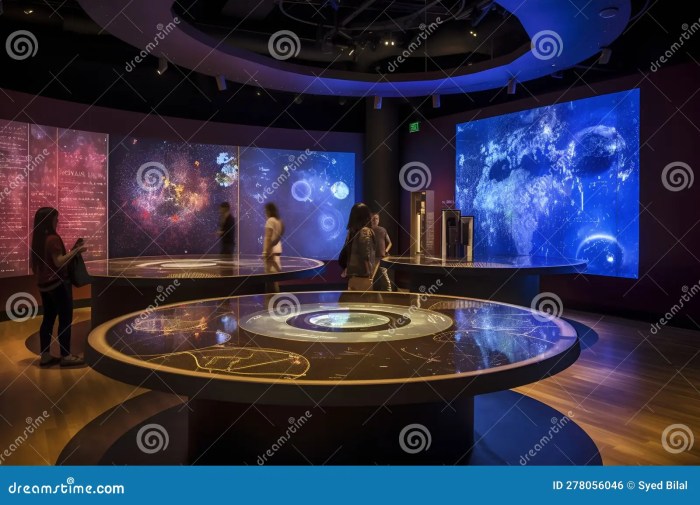
Interactive museum exhibits are transforming the way we experience culture and education, offering visitors hands-on engagement that brings learning to life. These immersive environments not only pique curiosity but also foster deeper understanding and retention of information through active participation.
By integrating technology and innovative design, museums are creating dynamic experiences that cater to diverse audiences. From digital displays to augmented reality, interactive exhibits are reshaping the traditional viewing experience, inviting visitors to explore, discover, and connect with the exhibits in meaningful ways.
Importance of Interactive Museum Exhibits
Interactive museum exhibits play a crucial role in enhancing the overall visitor experience by fostering engagement and facilitating deeper learning. These exhibits transform traditional museum visits into immersive experiences, allowing visitors to actively participate in the exploration of art, history, and science. By incorporating elements that invite interaction, museums not only attract a wider audience but also encourage a more meaningful connection with the content presented.The psychological effects of interactive experiences on museum-goers are profound.
Engaging with exhibits through touch, movement, and decision-making stimulates curiosity and promotes retention of information. Visitors tend to remember their experiences better when they actively participate rather than passively observe. Studies have shown that hands-on activities can increase learning outcomes, as they activate different areas of the brain compared to passive learning modalities.
Successful Examples of Interactive Exhibits
Several renowned museums have successfully implemented interactive exhibits that exemplify the benefits of this approach. These exhibits serve as excellent case studies on how engagement can be maximized.One prominent example is the “Human Body” exhibit at the Science Museum in London, where visitors can interact with life-sized models of human organs and systems. This exhibit allows guests to explore how different parts of the body work together, significantly enhancing their understanding of human biology.Another successful interactive exhibit is the “Touch the Future” display at the Smithsonian National Air and Space Museum.
In this exhibit, visitors can engage with replicas of historical aircraft, using augmented reality to reenact flight scenarios. By immersing themselves in the experience, visitors gain a better appreciation for the complexities of aerodynamics and aviation history.The “Art and Virtual Reality” installation at the Museum of Modern Art (MoMA) in New York offers an innovative approach to experiencing art. Visitors can use VR headsets to step into famous paintings, transforming them from passive observers into active participants in the artwork.
This experience not only enhances emotional engagement but also encourages a deeper understanding of artistic techniques and themes.In summary, interactive museum exhibits significantly enhance visitor engagement and learning by promoting active participation. They have psychological benefits that boost memory retention and make educational experiences more enjoyable. Renowned museums have successfully showcased these principles through innovative exhibits that continue to inspire and educate a diverse audience.
Types of Interactive Exhibits
Interactive exhibits play a significant role in enhancing the visitor experience at museums, blending education with engagement. Various formats of interactive exhibits can cater to diverse interests and age groups, ensuring that every visitor leaves with a memorable experience. This exploration of interactive exhibits encompasses digital, physical, and augmented reality formats, highlighting the technologies and designs that make them effective.
Digital Interactive Exhibits
Digital exhibits utilize screens, touch interfaces, and software applications to create immersive experiences. These exhibits often include multimedia elements such as videos, animations, and interactive storytelling that capture the attention of visitors. The technology behind these exhibits ranges from simple touchscreen displays to advanced projection mapping that creates dynamic environments within the exhibit space.
Physical Interactive Exhibits
Physical interactive exhibits involve tangible elements that visitors can touch, manipulate, or explore. These can range from hands-on science experiments to life-sized replicas of historical artifacts. The design of these exhibits focuses on allowing visitors to engage physically, facilitating a deeper understanding through active participation. Examples include climbing walls that demonstrate geological formations or mood rooms where visitors can experience various climates through adjustable controls.
Augmented Reality Exhibits
Augmented reality (AR) integrates digital content into the real world, providing a unique interactive experience. Visitors can use smartphones or AR glasses to view additional information layered over physical exhibits. This technology enhances storytelling by bringing static displays to life. For instance, a visitor could point their device at a painting and see an animated depiction of the artist’s process or hear the story behind the work.
Technologies Used in Interactive Exhibits
The creation of modern interactive exhibits relies on a blend of cutting-edge technologies that enhance visitor engagement. Key technologies include:
- Touchscreen Interfaces: These allow for intuitive interactions with digital content, enabling visitors to explore information at their own pace.
- Virtual Reality (VR): Provides fully immersive environments where users can experience historical events or environments firsthand.
- Sensor Technologies: Motion sensors and cameras track visitor movements, allowing for responsive exhibits that change based on user interactions.
- 3D Printing: Used to create replicas of artifacts, allowing visitors to explore tactile elements that would typically be behind glass.
- Data Analytics: Tracks visitor interactions to enhance future exhibit design and engagement strategies based on user preferences.
Designing for Different Age Groups and Interests
Exhibit design must take into account the varying preferences and cognitive abilities of different age groups. To ensure inclusivity and engagement, designers can implement several strategies:
- Age-Appropriate Content: Tailoring the complexity of information to suit children, teens, and adults ensures relevance and understanding.
- Varied Interaction Levels: Offering simple, hands-on experiences for younger audiences alongside more complex, thought-provoking activities for adults allows for a broader appeal.
- Multisensory Experiences: Incorporating visual, auditory, and tactile elements caters to diverse learning styles and keeps visitors engaged.
- Inclusive Furniture and Accessibility: Designing spaces that accommodate wheelchairs, strollers, and incorporate height-adjustable features makes the exhibit more accessible to all.
“Interactive exhibits are not just about participation; they are about transforming passive observation into active engagement.”
Amusements and Attractions Related to Interactive Exhibits

Interactive exhibits have transformed the landscape of amusement parks and attractions, enriching the visitor experience by fostering engagement and participation. In a world where audiences crave more than passive observation, interactive elements draw guests into the narrative, creating memorable experiences that resonate long after their visit. This section explores popular venues that incorporate interactive exhibits, compares their effectiveness against traditional setups, and discusses emerging trends that continue to shape the future of amusement attractions.
Popular Amusement Parks Featuring Interactive Exhibits
Numerous amusement parks worldwide have integrated interactive exhibits into their attractions, enhancing the overall guest experience. These parks not only provide thrills but also opportunities for education and personal engagement.
- Disneyland Resort: Known for its immersive storytelling, Disneyland features interactive attractions such as the “Star Wars: Galaxy’s Edge,” where guests can engage with the environment and characters.
- Universal Studios: The “Harry Potter” attractions include interactive wand experiences, allowing guests to cast spells at various locations throughout the park.
- Legoland: Many exhibits at Legoland encourage children to build and create with LEGO bricks, blending amusement with education.
- Six Flags Magic Mountain: Features rides with augmented reality, like “Twisted Colossus,” where riders can use smartphones to enhance their experience.
Effectiveness of Interactive Exhibits Versus Traditional Exhibits
The effectiveness of interactive exhibits in attracting visitors is significantly higher compared to traditional exhibits. Engaging guests actively leads to longer dwell times and a deeper connection with the content presented.
“Interactive experiences stimulate emotional connections and create lasting memories, which are often more effective than passive viewing.”
While traditional exhibits often rely on static displays and labels, interactive exhibits invite participation, whether through touchscreens, virtual reality, or hands-on activities. This participatory nature not only makes the experience enjoyable but also facilitates better retention of information as guests engage with the content.
Future Trends in Amusement Attractions Incorporating Interactive Elements
The future of amusement attractions is leaning heavily towards integration with technology, enhancing the interactive experience. Emerging trends include the following:
- Virtual Reality (VR) Experiences: Amusement parks are increasingly adopting VR to create immersive environments where guests can interact in fantastical settings, such as flying on a dragon or exploring outer space.
- Augmented Reality (AR) Enhancements: Similar to VR, AR overlays digital information onto the real world, enabling guests to interact with their environment in new ways, often through their mobile devices.
- Gamification: Many attractions are introducing game-like elements, where visitors can earn rewards or compete against others, boosting engagement and visitor loyalty.
- Personalized Experiences: By utilizing data analytics, parks can tailor experiences to individual preferences, ensuring that each visit feels unique and catered specifically to the guest.
These trends indicate a progressive shift towards more engaging and interactive environments, reinforcing the importance of visitor participation in creating unforgettable memories at amusement attractions.
Outcome Summary
In summary, interactive museum exhibits exemplify the future of educational engagement, blending entertainment with enlightenment. They not only attract a wider audience but also enhance the learning experience, making museums vibrant spaces for exploration and discovery. As technology continues to evolve, we can anticipate even more exciting developments in how we interact with the world around us.
Questions and Answers
What are interactive museum exhibits?
Interactive museum exhibits are displays that allow visitors to engage actively with the content, often using technology or hands-on activities to enhance learning.
How do interactive exhibits improve learning?
They promote engagement and retention by encouraging visitors to participate actively, which can lead to a deeper understanding of the subject matter.
What technologies are commonly used in interactive exhibits?
Common technologies include touch screens, augmented reality applications, virtual reality experiences, and interactive kiosks.
Are interactive exhibits suitable for all age groups?
Yes, interactive exhibits can be designed to cater to various age groups and interests, ensuring that everyone finds something engaging.
Where can I find popular interactive museum exhibits?
Many major museums and science centers around the world feature interactive exhibits; notable examples include the Exploratorium in San Francisco and the Museum of Science and Industry in Chicago.