Pop-up amusement events bring a fresh twist to the traditional entertainment landscape, creating temporary yet exhilarating experiences that captivate audiences. Unlike permanent amusement parks, these events are characterized by their flexibility, unique attractions, and community focus, providing an opportunity for businesses to engage customers in innovative ways. From vibrant carnival rides to interactive games, pop-up events cater to diverse tastes and preferences, making them an ideal choice for communities seeking to foster joy and connection.
As we explore the world of pop-up amusement events, we will delve into the essential steps for planning and organizing them, the logistics involved, and the best marketing strategies to ensure their success. This guide aims to equip you with the knowledge to create memorable experiences that resonate with attendees and enhance community spirit.
Overview of Pop-up Amusement Events
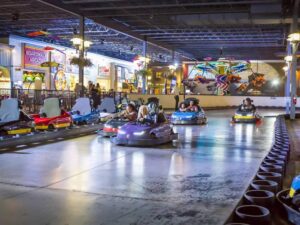
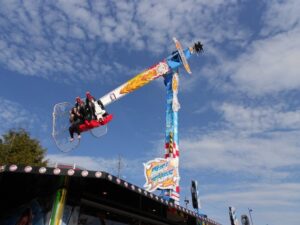
Pop-up amusement events are temporary entertainment experiences designed to create fun and excitement in various locations. These events often feature rides, games, food stalls, and unique attractions that provide a festive atmosphere for attendees of all ages. Unlike traditional amusement parks, which operate year-round and require substantial infrastructure, pop-up events are characterized by their transient nature and adaptability to different settings.Pop-up amusement events typically showcase a blend of traditional carnival attractions and innovative experiences tailored to the specific audience or venue.
They can be set up in urban parks, community centers, or even repurposed commercial spaces, making them accessible to a wider range of participants. The flexibility in size and scale allows these events to cater to local communities, making them an attractive option for businesses looking to engage with customers in a lively and interactive environment.
Characteristics of Pop-up Amusement Events
The defining traits of pop-up amusement events contribute to their appeal and effectiveness in attracting attendees. Key characteristics include:
- Temporary Setup: These events are usually organized for a limited time, ranging from a weekend to a few weeks, depending on demand and location.
- Mobile Attractions: Many rides and games are designed for easy transport, allowing organizers to set up quickly in various locations.
- Community Focus: Events are often tailored to the interests and demographics of the local community, fostering a sense of belonging and participation.
- Diverse Offerings: Features can include food trucks, live entertainment, themed decorations, and interactive experiences that differentiate them from static amusement parks.
The ability to adapt to different environments helps pop-up amusement events reach diverse audiences and create memorable experiences that resonate with local culture and interests.
Benefits of Hosting Pop-up Amusement Events
Hosting pop-up amusement events can bring numerous advantages to both businesses and communities. These benefits include:
- Increased Foot Traffic: Local businesses benefit from the influx of visitors, leading to higher sales and brand exposure.
- Community Engagement: Events foster community spirit by bringing people together for shared enjoyment and entertainment.
- Brand Awareness: Companies can leverage these events for marketing purposes, creating interactive experiences that promote their brand in a fun setting.
- Economic Boost: Temporary amusement events can stimulate the local economy by creating jobs and supporting local vendors.
By engaging with the community and encouraging participation, pop-up amusement events can create lasting positive impacts, enhancing the vibrancy of the area while providing joy and entertainment to attendees.
Planning and Organizing Pop-up Amusement Events
Planning a pop-up amusement event is an exciting venture that requires careful consideration and organization. From selecting the right location to ensuring that all necessary permits and equipment are in place, each step is crucial for a successful event. This guide Artikels the essential steps and logistics involved in executing a seamless pop-up amusement event.
Essential Steps for Planning
A successful pop-up amusement event is the result of meticulous planning. The following steps will help ensure that your event runs smoothly and achieves its intended goals:
- Define the event’s purpose and target audience.
- Create a detailed budget plan, including all potential expenses and revenue sources.
- Select the event date and time, considering local calendars and community events.
- Choose a suitable location that attracts your target audience and meets necessary space requirements.
- Gather a dedicated team to assist with planning, logistics, and on-the-day management.
- Develop a marketing strategy to promote the event through social media, local advertising, and community engagement.
- Review and finalize all vendor contracts and agreements.
Logistics Involved
Logistics play a vital role in the success of pop-up amusement events. Key areas to focus on include location selection, permitting, and insurance requirements:
“Proper logistics can make or break your event.”
Location selection should prioritize accessibility and visibility. Factors to consider include foot traffic, nearby attractions, and local regulations. Once the location is determined, necessary permits should be secured, which may include event permits, health and safety permits, and noise permits, depending on local laws.Insurance is also crucial. Obtaining general liability insurance protects against potential claims and ensures peace of mind.
It’s advisable to consult with an insurance professional to tailor coverage to your event’s specific needs.
Checklist for Equipment and Attractions
Having a well-organized checklist is essential for ensuring all necessary equipment and attractions are in place for different types of pop-up events. This checklist can serve as a guideline for various themes and target audiences.Start with the following categories of equipment and attractions based on the type of event:
- Family-friendly events:
- Inflatable bounce houses
- Face painting stations
- Petting zoos
- Food festivals:
- Food trucks or stalls
- Tents for seating and shade
- Cooking demonstrations and workshops
- Music or arts festivals:
- Stages for performances
- Sound and lighting equipment
- Vendor booths for local artists and crafters
- Seasonal events:
- Holiday-themed decorations
- Games and contests
- Photo booths with props
This checklist should be customized according to the specific theme and demographic of the event, ensuring that all necessary components are considered and accounted for.
Marketing and Promotion of Pop-up Amusement Events
Marketing and promoting pop-up amusement events effectively requires a strategic approach that resonates with the target audience. Given the transient nature of these events, creating buzz and maintaining engagement are crucial to driving attendance and ensuring a memorable experience for all. Leveraging various channels and tactics can significantly enhance visibility and participation.
Effective marketing strategies involve a combination of traditional and digital approaches tailored to reach the desired demographic. Here are some key strategies to promote pop-up amusement events:
Targeted Advertising and Social Media Engagement
Utilizing targeted advertising can maximize outreach to potential attendees. This involves using platforms such as Facebook, Instagram, and Google Ads to reach specific audience segments based on demographics, interests, and behaviors. The following points highlight essential tactics:
- Visual Content Creation: High-quality images and engaging videos showcasing attractions, rides, and unique experiences can draw attention on social media platforms.
- Event Pages: Creating dedicated event pages on social media allows easy sharing and RSVPs, enhancing community engagement.
- Influencer Collaborations: Partnering with local influencers can help tap into their follower base, providing organic promotion and credibility.
- Hashtags and Challenges: Developing a unique event hashtag or social media challenge encourages attendees to share their experiences, amplifying reach through user-generated content.
Key content ideas for social media campaigns should aim to engage potential attendees actively. Here are some creative approaches:
Content Ideas for Social Media Campaigns
Crafting engaging content is vital to keep the audience informed and excited. Here are ideas that can be implemented:
- Behind-the-Scenes Sneak Peeks: Share glimpses of the setup, rides being installed, or preparations, creating anticipation.
- Countdown Timers: Use countdown graphics to build excitement as the event date approaches.
- Highlight Attractions: Feature different attractions or performers each week leading up to the event, explaining what makes them unique.
- Interactive Polls and Quizzes: Engage followers by asking them to vote on their favorite rides or share their expectations for the event.
Identifying partnerships or sponsorship opportunities can further enhance visibility and attract larger crowds. Collaborating with local businesses, brands, or community organizations can result in mutually beneficial outcomes:
Partnership and Sponsorship Opportunities
Strategic partnerships can amplify marketing efforts and broaden reach. Here are suggestions for potential collaborations:
- Local Businesses: Partner with restaurants, cafes, and shops in the vicinity to create bundled offers, promotions, or discounts for event attendees.
- Media Sponsorships: Collaborating with local radio stations or newspapers for coverage, advertisements, or interviews can increase visibility and credibility.
- Corporate Sponsors: Attract companies that align with the event’s theme to sponsor activities, providing them with advertising opportunities while enhancing the event’s offerings.
- Non-Profits and Community Organizations: Collaborating with local charities or community groups can improve community relations and provide added value to attendees, such as donation drives or awareness campaigns.
By implementing these marketing strategies and fostering collaborations, pop-up amusement events can create a vibrant atmosphere that captivates and retains audience interest, leading to successful and memorable experiences for all involved.
Closing Notes
In conclusion, pop-up amusement events offer a unique opportunity for businesses and communities to come together in celebration and fun. By carefully planning, promoting, and executing these events, you can create unforgettable experiences that not only entertain but also strengthen community bonds. Embrace the joy of pop-up amusement events, and let your imagination run wild as you bring excitement to life in your area.
Question & Answer Hub
What are pop-up amusement events?
Pop-up amusement events are temporary entertainment experiences that feature rides, games, and activities designed to engage and delight attendees in various locations.
How do pop-up events differ from traditional amusement parks?
Pop-up events are typically short-term and mobile, allowing for unique attractions that change with each event, while traditional amusement parks are permanent and fixed in one location.
What are the benefits of hosting pop-up amusement events?
These events can increase community engagement, provide a platform for local businesses to showcase their offerings, and create memorable experiences for attendees.
How can I market a pop-up amusement event effectively?
Utilizing social media, local partnerships, and targeted advertising can help reach your desired audience and generate excitement around your event.
What logistical considerations should I keep in mind?
Important logistics include location selection, obtaining necessary permits, ensuring safety regulations, and arranging suitable attractions and equipment.