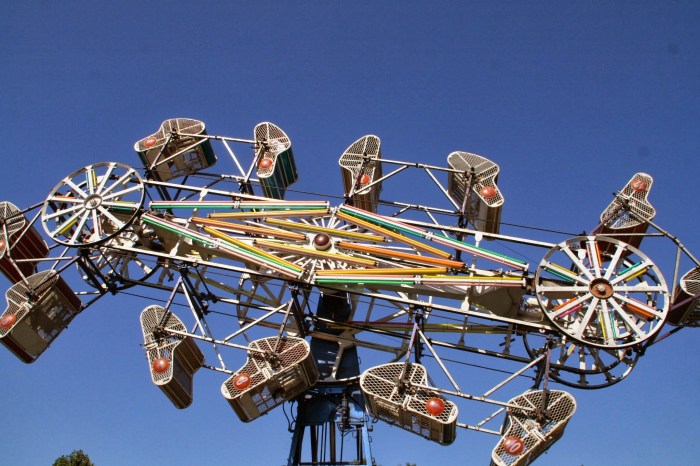
Carnival rides and games bring a sense of joy and nostalgia, inviting people of all ages to experience the thrill and excitement. From dizzying rides that make your heart race to classic games that challenge your skills, carnivals have something for everyone. These vibrant events are not just about entertainment; they are a celebration of fun, laughter, and unforgettable memories.
The history of carnival rides showcases a fascinating evolution, from simple mechanical contraptions to the high-tech attractions we see today. Safety regulations ensure that thrill-seekers can enjoy these rides with peace of mind, while popular games captivate attendees, drawing them in with their colorful displays and the promise of prizes. Together, carnival rides and games create an atmosphere of enchantment that keeps visitors coming back year after year.
Overview of Carnival Rides
Carnival rides are a quintessential part of entertainment culture, captivating audiences with their thrill and excitement. The origins of these rides trace back to simple mechanical contraptions that evolved into elaborate attractions, showcasing advancements in engineering and design. From their humble beginnings at local fairs to the thrill-seeking rides of today, carnival rides have a rich history intertwined with public fascination and technological innovation.The evolution of carnival rides reflects significant changes in societal attitudes towards recreation.
Early attractions were often simple, such as merry-go-rounds and Ferris wheels, created to amuse visitors at fairs. Over time, these rides transformed into sophisticated machines powered by electricity and hydraulics, capable of delivering adrenaline-pumping experiences. Modern carnival rides feature advanced safety mechanisms and are subject to strict regulations to ensure the well-being of riders.
History and Evolution of Carnival Rides
The history of carnival rides began in the 18th century with the introduction of the first Ferris wheel at the 1893 World’s Columbian Exposition in Chicago. This iconic structure was designed by George Washington Gale Ferris Jr. and symbolized the industrial advances of the era. Over the decades, various rides were developed, including roller coasters, bumper cars, and swings. The 20th century brought about a significant technological leap, with the introduction of lightweight materials and computer-aided design.
These innovations allowed for the construction of larger and more intricate rides. For instance, the introduction of steel roller coasters in the 1970s allowed for more complex designs that could reach greater heights and speeds, thus enhancing the thrill factor.
Safety Regulations and Standards for Carnival Attractions
Safety is paramount when it comes to carnival attractions. Over the years, various organizations and governmental bodies have established regulations to ensure ride safety. These regulations typically address design, operation, maintenance, and inspection protocols to protect guests. In the United States, the Carnival Ride Safety Program involves routine inspections and adherence to standards set by the American Society for Testing and Materials (ASTM).
These inspections are often conducted by certified inspectors who assess structural integrity, mechanical systems, and safety features.
“Safety regulations are designed to mitigate risks and ensure that each ride operates within specified safety limits.”
In addition to federal guidelines, many states enforce their own regulations, which may include operator training and emergency preparedness plans. This multi-tiered safety framework is essential for preventing accidents and maintaining public trust in carnival attractions.
Popular Types of Carnival Rides and Their Mechanics
Carnival rides come in a variety of types, each offering unique experiences and mechanics. Understanding these rides is crucial for appreciating the engineering marvels behind them. Some of the most popular types of carnival rides include:
- Roller Coasters: These thrilling rides utilize a track system with steep drops, sharp turns, and inversions, powered by gravity and momentum.
- Ferris Wheels: Featuring a rotating vertical wheel with passenger cabins, Ferris wheels provide a gentle ride experience with stunning views from the top.
- Merry-Go-Rounds: Often a favorite among children, these rides consist of a rotating circular platform with mounted animals or vehicles that move up and down.
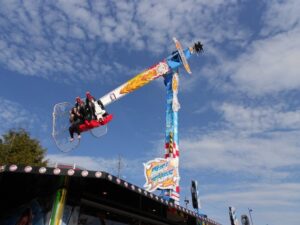
- Drop Towers: These rides drop passengers from a height, providing an exhilarating free-fall experience before safely braking just before reaching the ground.
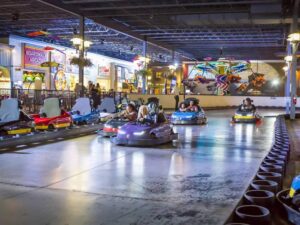
- Bumper Cars: Controlled by individual drivers, these cars navigate within a confined space and are designed to collide with others for fun and amusement.
Each ride’s mechanics offers both thrill and safety, underscoring the complexity of carnival ride design. The combination of physical principles like force, energy, and gravity plays a crucial role in their operation, contributing to the exhilarating experiences that carnival-goers enjoy.
Popular Carnival Games
Carnival games are a staple of any fair or festival, providing a fun way for attendees to test their skills and luck. These games not only entertain but also draw people in with the promise of prizes. From classic ring tosses to high-tech basketball shootouts, carnival games come in various forms, each offering unique challenges and experiences.Carnival games typically fall into two categories: games of skill and games of chance.
Games of skill require players to demonstrate proficiency, such as throwing, tossing, or aiming, while games of chance primarily rely on luck. The variety of these games appeals to a wide audience, as they cater to different interests and skill levels. Popular examples include:
- Ring Toss: Players aim to throw rings over bottles to win prizes.
- Balloon Darts: Contestants throw darts at balloons to pop them and win points.
- Milk Bottle Toss: Players attempt to knock over stacked milk bottles with a baseball.
- Skee-Ball: A ramped game where players roll balls into targets to score points.
- Whac-A-Mole: A fast-paced game where players hit popping moles with a mallet.
- Fish Pond: Players use a fishing pole to catch floating fish, each representing a different prize.
Psychology Behind Carnival Games
The allure of carnival games can be attributed to several psychological factors. First, the colorful displays, sounds, and engaging environments create a sensory-rich experience that draws participants in. The thrill of competition and the chance to win a prize stimulate excitement, making attendees want to try their luck. The unpredictability of outcomes also plays a significant role. The variable reward schedule—where players may win at any moment—creates anticipation and keeps players engaged.
Additionally, the social aspect of playing games with friends or family enhances the overall experience, fostering bonding and shared memories.
“Winning a small prize provides a sense of accomplishment, reinforcing the desire to play more.”
Strategies for Winning at Games of Chance and Skill
While carnival games are often designed with a profit margin in mind, players can employ strategies to increase their chances of winning. Understanding the mechanics of each game is crucial. Here are some effective strategies:
- Research Game Rules: Take time to observe how the game works before participating. Understanding the rules can provide an edge.
- Practice Skill Games: Familiarize yourself with the skills required, such as aiming or throwing techniques. If possible, practice before playing for prizes.
- Choose Games with Higher Winning Odds: Some games offer better odds than others. For example, games like Skee-Ball often have clearer scoring systems compared to more chaotic games.
- Manage Your Budget: Set a limit on how much you’re willing to spend on games and stick to it. Avoid getting caught up in the excitement and overspending.
- Play During Off-Peak Times: Attending at quieter times may offer a more relaxed experience, allowing you to focus better on your gameplay.
By applying these strategies, players can enhance their enjoyment of carnival games while maximizing their chances of walking away with a prize. The combination of skill, chance, and the vibrant atmosphere of a carnival makes these games a timeless source of entertainment.
Amusements and Attractions in Carnivals
Carnivals are vibrant celebrations filled with laughter, thrills, and a multitude of attractions that go beyond just rides and games. The atmosphere is charged with excitement, and attendees can immerse themselves in a variety of additional entertainment options. From unique performances to delightful food stands, the carnival experience is enhanced by many engaging attractions. In addition to traditional rides and games, carnivals offer a wide array of amusements that cater to all ages and interests.
Musicians, dancers, and street performers create a lively ambiance, while themed attractions draw crowds with their imaginative setups.
Food Vendors and Signature Items
No carnival experience is complete without indulging in a variety of delicious foods. Food vendors showcase signature items that are not only tasty but also quintessential aspects of the carnival culture. Here’s a glimpse of some must-try offerings from popular food vendors:
- Fried Dough Stand: Known for its warm, sugary funnel cakes topped with whipped cream and strawberries.
- Popcorn Paradise: Offers an assortment of flavored popcorn, including classic butter, caramel, and cheddar.
- Grilled Sausage Cart: Features savory sausages served on a bun with a selection of toppings like sauerkraut and spicy mustard.
- Ice Cream Truck: A variety of soft-serve ice cream options, including classic cones and sundaes with colorful sprinkles.
- Candy Apple Booth: Delights in colorful, sweet candy apples, a perfect treat for all ages.
Themed Attractions
Themed attractions at carnivals play a significant role in enhancing the overall experience, providing immersive environments that transport visitors to different worlds. These attractions often include elaborate decorations, themed music, and engaging activities. Some popular themes include:
- Enchanted Forest: A whimsical area filled with fairy-tale characters, magical creatures, and enchanting lighting.
- Western Town: A cowboy-inspired setup featuring line dancing, live country music, and hearty barbecue cuisine.
- Under the Sea: A marine-themed attraction with oceanic decorations, sea creature mascots, and aquatic games.
The diversity of amusements and attractions at carnivals ensures that every visitor finds something that resonates with them, creating a memorable and enjoyable experience for all.
Outcome Summary
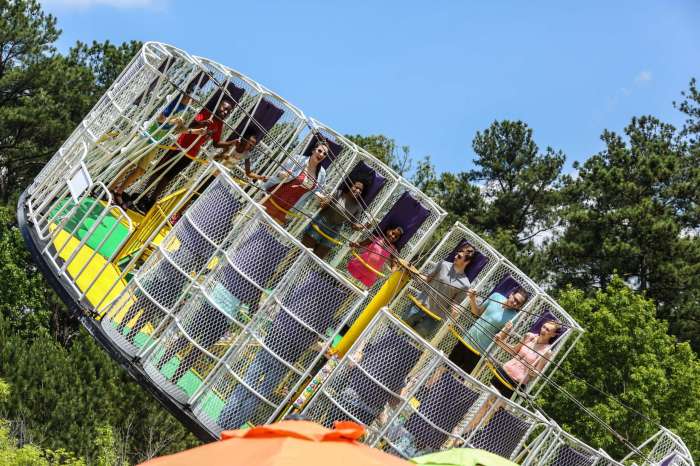
In conclusion, carnival rides and games represent a delightful blend of adventure and nostalgia, serving as a cornerstone of carnival culture. Whether you’re spinning around on a Ferris wheel or trying your luck at a ring toss, the joy these attractions bring is unmatched. So, next time you find yourself at a carnival, take a moment to appreciate the rich history and the vibrant experiences waiting for you.
FAQ
What are the most popular carnival rides?
Some of the most popular carnival rides include the Ferris wheel, roller coasters, bumper cars, and carousel rides, each offering unique experiences for thrill-seekers and families alike.
Are carnival games rigged?
While many carnival games are designed to be challenging, they are not necessarily rigged. However, some may be more difficult to win than others due to the odds being set in favor of the house.
How do safety regulations apply to carnival rides?
Carnival rides must adhere to strict safety regulations that include regular inspections, maintenance checks, and operator training to ensure the safety of all riders.
What types of prizes can you win at carnival games?
Prizes at carnival games can vary widely, including stuffed animals, toys, and carnival-themed merchandise, with larger prizes often awarded for more challenging games.
What food options are typically available at carnivals?
Carnivals often feature a wide range of food options like cotton candy, corn dogs, funnel cakes, and other classic fair foods that enhance the overall experience.