Amusement park safety updates are essential for ensuring a fun and secure experience for all visitors. As parks evolve, so do the protocols and measures in place to protect guests while they enjoy thrilling rides and attractions.
From the implementation of the latest safety protocols to advancements in staff training, amusement parks are dedicated to enhancing guest safety. With innovations in technology monitoring ride safety and stringent maintenance schedules, parks are committed to providing a secure environment for everyone.
Amusement Park Safety Protocols
Amusement parks have always prioritized the safety of their guests, but recent developments have led to the implementation of advanced safety protocols to ensure a secure and enjoyable experience. With an increasing focus on guest safety, parks are continually refining their procedures, training, and technology to meet the highest standards of safety.To enhance safety and minimize risks, amusement parks have put in place a range of innovative safety protocols.
These protocols are designed not only to protect guests during rides but also to ensure overall safety throughout the park. Some key measures include:
Ride Operation Safety Measures
Effective ride operation safety measures are crucial to prevent accidents and ensure a fun experience for guests. The following are examples of safety measures frequently adopted during ride operations:
1. Regular Inspections
All rides undergo routine inspections and maintenance checks, ensuring equipment is in top condition. These inspections are guided by strict industry standards and regulations.
2. Height and Weight Restrictions
Clear signage regarding height and weight restrictions is prominently displayed at each ride entrance, ensuring that every guest meets the necessary criteria for safe participation.
3. Safety Bar and Harness Checks
Operators perform thorough checks of all safety bars and harnesses before the ride begins, ensuring each guest is securely fastened.
4. Emergency Protocols
Amusement parks have emergency response plans in place, including clear communication channels and designated staff roles to handle any unexpected situations swiftly.
5. Real-Time Monitoring Systems
Advanced technology is often utilized, such as cameras and sensors, to monitor ride operations continuously and detect any anomalies immediately.
Enhanced Staff Training Programs
To maintain high safety standards, staff training programs have evolved significantly over the years. Training now emphasizes not only operational skills but also guest interaction and crisis management. Staff members undergo comprehensive training that includes:
Safety Protocol Education
Employees receive in-depth education on the latest safety protocols and emergency procedures to ensure they are prepared for any situation.
Simulation Drills
Regular simulation drills are conducted to practice emergency response scenarios, helping staff react effectively and calmly.
Guest Interaction Skills
Training includes techniques for communicating safety information clearly to guests, ensuring everyone understands safety rules and procedures.
Continuous Learning
Staff are encouraged to take part in ongoing education and safety workshops, keeping them up-to-date with industry best practices and emerging safety technologies.The commitment to safety is evident in these rigorous protocols and training programs, making amusement parks a secure environment for guests of all ages.
Emergency Response Procedures
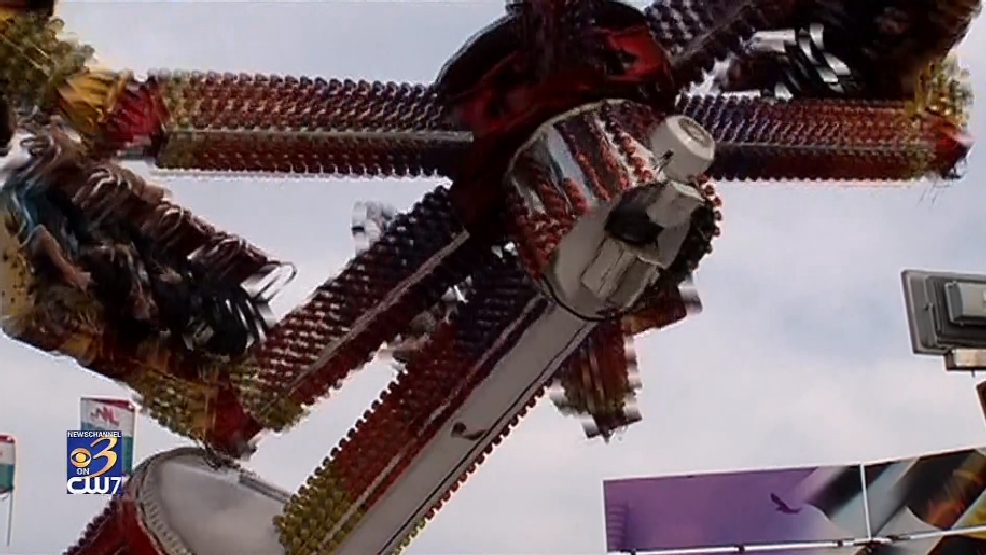
In amusement parks, ensuring the safety of guests and staff is paramount. Emergency response procedures are established protocols designed to manage any incidents or accidents efficiently. These procedures are critical for minimizing risks and ensuring that guests receive timely assistance during emergencies. Each staff member plays a specific role in these situations, contributing to the overall safety and security of the park environment.Effective emergency response includes a systematic approach to handling various situations, from minor injuries to major incidents.
Parks typically have a dedicated emergency response team trained to manage these scenarios. The procedures involve clear communication, coordination among staff, and quick action to protect everyone involved.
Accident Management Steps
When an accident occurs in an amusement park, prompt and organized action is essential. The following step-by-step guide Artikels how parks generally manage such incidents:
1. Immediate Assessment
Staff trained in first aid and emergency response quickly assess the situation to determine the severity of the incident.
2. Alerting Emergency Services
If the situation is serious, park staff will contact local emergency services (such as paramedics or police) to provide additional support.
3. Securing the Area
Staff will cordon off the affected area to ensure the safety of other guests and prevent further injuries.
4. Providing First Aid
Trained personnel will administer first aid to injured individuals while waiting for emergency services to arrive.
5. Gathering Information
Witnesses and involved parties may be interviewed to gather crucial details about the incident for later investigation.
6. Documenting the Incident
Staff will complete an official incident report, detailing what occurred, actions taken, and any follow-up required.
7. Post-Incident Review
After the immediate response, a review of the incident will be conducted to evaluate the response effectiveness and identify any areas for improvement.
Key Roles of Staff During Emergencies
In times of emergencies, specific roles must be filled by park staff to ensure a smooth response. Each role is vital in contributing to the overall safety and management of the incident. The following Artikels key staff roles during emergency situations:
Emergency Response Team Leader
Coordinates the overall response, ensuring that all team members understand their tasks and responsibilities.
First Aid Responders
Provide immediate medical attention to injured guests, utilizing their training and equipment to stabilize conditions until professional help arrives.
Crowd Control Personnel
Manage the movement of guests, directing them away from the incident site to maintain safety and order.
Communication Officer
Serves as the liaison between the park and emergency services, ensuring that accurate information is relayed and maintained throughout the response.
Documentation Officer
Responsible for collecting statements and evidence from witnesses, ensuring that all necessary details are recorded accurately for future reference.
“Effective emergency response is not just about reacting—it’s about being prepared and having the right protocols in place to protect life and safety.”
Amusements and Attractions Safety Features
Modern amusement parks prioritize guest safety by incorporating advanced safety features into their rides and attractions. These features are designed to protect visitors while ensuring a thrilling experience. Continuous improvements in technology and engineering practices have made rides safer than ever before, combining fun and security seamlessly.One of the critical aspects of amusement park safety is the integration of innovative technology in monitoring systems.
Modern rides often incorporate sensors and automated systems that continuously assess the operational status of the ride. These sensors monitor various parameters, such as speed, mechanical integrity, and rider positioning. In the event of any anomalies, alerts are triggered, allowing ride operators to respond promptly to potential issues. Furthermore, many parks utilize advanced software that analyzes ride data over time, ensuring that all attractions perform within their safety margins.
Safety Features in Modern Rides
Safety features in contemporary amusement rides are multifaceted, ensuring the well-being of guests. These features include:
- Safety Restraints: Most rides come equipped with harnesses, lap bars, and over-the-shoulder restraints designed to securely hold riders in place during the experience.
- Emergency Stop Systems: Rides are equipped with emergency stop buttons that can be activated by operators or guests in case of an unexpected situation.
- Regular Inspections: Comprehensive daily inspections are performed on all rides to ensure their mechanical and structural integrity before allowing guests to board.
- Ride Design Features: Many rides are designed to limit the likelihood of injury through features such as rounded edges, padded surfaces, and controlled descent angles.
- Real-Time Monitoring: Advanced systems provide real-time data on ride safety, detecting any irregularities before they escalate into safety concerns.
Regular maintenance schedules are crucial for ensuring that rides continue to operate safely and efficiently. Parks typically follow a rigorous maintenance protocol that includes daily checks, weekly inspections, and comprehensive annual maintenance where rides are fully disassembled for thorough examination. This proactive approach not only extends the lifespan of the attractions but also assures guests of their safety during operation.
“Safety in amusement parks is not just an obligation; it’s the foundation of a memorable experience.”
Modern amusement parks leverage systematic safety protocols backed by engineering excellence and technological advancements, ensuring a secure and enjoyable environment for all guests. Continuous investment in safety features reflects the industry’s commitment to prioritizing the well-being of visitors while providing exhilarating experiences.
Last Recap
In summary, the continuous updates in amusement park safety illustrate a commitment to guest well-being and enjoyment. By prioritizing safety protocols, emergency procedures, and advanced safety features, amusement parks strive to deliver unforgettable experiences, all while ensuring that fun never comes at the expense of safety.
Essential FAQs
What are the latest safety protocols in amusement parks?
The latest safety protocols include regular inspections, adherence to strict operational guidelines, and enhanced staff training focused on safety management.
How are staff trained for emergency situations?
Staff undergo comprehensive training that includes emergency response drills, communication strategies, and specific roles during incidents to ensure swift action.
What technology is used to monitor ride safety?
Parks utilize advanced monitoring systems that track ride performance, guest behavior, and environmental conditions to enhance safety standards.
How often are rides maintained for safety?
Rides are typically subjected to a rigorous maintenance schedule that includes daily inspections, weekly checks, and annual overhauls to maintain optimal safety.
What should guests do in case of an emergency?
Guests should remain calm, follow staff instructions, and know the nearest emergency exits, as well as report any incidents immediately to park personnel.