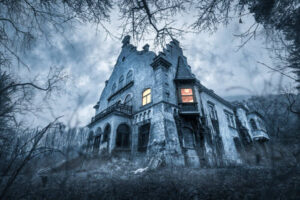
Escape room challenges are an exhilarating way to test your wit, teamwork, and problem-solving skills in a race against time. These interactive experiences immerse participants in themed environments that often feel like stepping into a movie, creating an unforgettable adventure. From mystery to horror, the variety of themes appeals to a wide range of interests, making escape rooms a popular choice for friends, families, and colleagues alike.
At their core, escape rooms combine storytelling with puzzles and challenges that require collaboration to overcome. Successful escape room challenges hinge on clever design, engaging narratives, and immersive atmospheres that captivate participants and keep them coming back for more. Whether you are a seasoned player or a curious newcomer, there’s always a fresh and exciting challenge waiting to be explored.
Escape Room Challenges Overview
Escape room challenges have emerged as a popular form of entertainment that combines puzzle-solving, teamwork, and immersive storytelling. They typically involve teams of participants working together to find clues, solve puzzles, and complete tasks within a themed environment, all while racing against the clock. The significance of these challenges lies in their ability to foster collaboration, enhance critical thinking, and provide an exhilarating shared experience among friends, family, or coworkers.Escape rooms come in a variety of themes, each designed to engage participants in unique ways.
Common themes include adventure, mystery, horror, and historical settings, appealing to a wide range of interests. Each theme not only sets the tone for the experience but also influences the types of puzzles and challenges participants will face. For instance, a horror-themed escape room might incorporate elements of suspense and fright, whereas an adventure-themed room could focus on exploring ancient ruins or escaping from a pirate ship.
The diversity of themes ensures that there is something for everyone, making escape rooms a versatile entertainment option.
Key Elements of Successful Escape Room Challenges
Several key elements contribute to the success of an escape room challenge, enhancing the overall participant experience. Understanding these components is crucial for both escape room designers and players alike.
- Engaging Storyline: A captivating narrative is essential for immersion. The storyline should be coherent and relatable, drawing participants into the scenario and motivating them to solve puzzles based on the context.
- Variety of Puzzles: Successful escape rooms offer a range of puzzles that cater to different skills and preferences. This diversity keeps all team members engaged and allows them to contribute effectively.
- Atmospheric Design: The physical environment plays a vital role in immersion. Attention to detail in decor, lighting, and sound can transport participants into the world of the escape room, enhancing their overall experience.
- Time Pressure: The ticking clock adds excitement and urgency to the challenge. This element of time constraints encourages teamwork and quick thinking, heightening the thrill of the experience.
- Facilitator’s Role: A skilled game master can significantly enhance the experience by providing hints when necessary while maintaining the tension of the game. Their ability to gauge the team’s progress is crucial for balancing challenge and enjoyment.
“An engaging escape room experience is defined by its ability to challenge participants while also allowing for moments of achievement and teamwork.”
Popular Escape Room Challenges
Escape rooms have surged in popularity as thrilling and immersive experiences that test a team’s problem-solving abilities, communication skills, and creativity. As various escape room challenges continue to emerge across different locations, enthusiasts can enjoy a wide range of themes and difficulty levels that cater to diverse groups, from novices to seasoned players. This diversity ensures that everyone can find an experience that suits their preferences, making each visit to an escape room unique and exciting.
Notable Escape Room Themes
Several popular escape room challenges stand out due to their engaging themes and intricate puzzles. These challenges not only provide entertainment but also foster teamwork and camaraderie among participants. Here are some notable examples:
- The Cabin in the Woods: Participants find themselves trapped in a secluded cabin surrounded by eerie woods. To escape, they must uncover hidden clues related to local legends while facing chilling surprises. This theme often incorporates horror elements and psychological puzzles, ideal for thrill-seekers.
- Space Station Escape: Set aboard a malfunctioning space station, players must work together to solve scientific puzzles and restore life support systems before time runs out. This challenge often involves interactive technology and is great for those fascinated by space and science.
- Prison Break: Participants are locked in a prison cell and must devise a clever escape plan. They must decipher codes, locate hidden objects, and outsmart security mechanisms. This theme focuses on strategy and collaboration, making it perfect for competitive teams.
- Detective Mystery: In this scenario, players become detectives investigating a crime scene. They must gather evidence, interview suspects, and solve riddles to catch the culprit. The narrative-driven approach appeals to fans of mystery and intrigue.
- Egyptian Tomb: Participants embark on an adventure in an ancient tomb, filled with hieroglyphs and artifacts. The goal is to navigate through traps and solve ancient puzzles to find the hidden treasure. This theme immerses players in a historical context, appealing to adventure lovers.
Difficulty Levels in Escape Room Challenges
Escape room challenges are designed with varying difficulty levels to accommodate different groups. Understanding these levels helps teams choose the right experience based on their preferences and skillsets. Here’s a breakdown of common difficulty classifications:
- Beginner: Suitable for first-timers or casual players. These rooms usually feature straightforward puzzles and are designed to be accessible without prior experience.
- Intermediate: Ideal for teams with some experience. These challenges present more complex puzzles requiring critical thinking and teamwork, providing a moderate level of difficulty.
- Advanced: Aimed at veteran players, advanced escape rooms feature intricate storylines and challenging puzzles. Participants must utilize advanced problem-solving skills and collaborate effectively to succeed.
- Expert: Reserved for the most seasoned escape room enthusiasts, expert challenges offer the toughest puzzles and require extensive teamwork, creativity, and communication. These rooms often have intricate mechanics and hidden clues that can be quite challenging to decipher.
Unique Challenges That Attract Enthusiasts
Certain escape room challenges have gained fame for their unique concepts and innovative gameplay, attracting enthusiasts from various backgrounds. These standout experiences often incorporate novel mechanics or storytelling elements that elevate them above standard offerings.
- Zombie Apocalypse: In this immersive experience, players must survive a zombie invasion. They solve puzzles under pressure while evading “zombies” played by actors. The adrenaline rush and interactive elements create a thrilling environment.
- Virtual Reality Escape Rooms: Combining technology with traditional escape room formats, these challenges allow players to immerse themselves in a virtual world. Participants solve puzzles and navigate environments that are otherwise impossible in physical settings.
- Outdoor Escape Games: Uniquely blending outdoor adventure with escape room mechanics, these challenges take place in real-world locations, requiring teams to solve riddles and complete tasks in a broader context.
- Time Travel Adventure: Players embark on a quest through various historical periods, solving puzzles related to different eras. This theme often educates players while providing engaging gameplay.
Amusements and Attractions Related to Escape Rooms

Escape rooms have become a popular attraction, providing immersive experiences that challenge participants’ problem-solving skills and teamwork. As these interactive environments gain traction, their integration with other amusement activities can elevate the enjoyment and engagement level of visitors in various ways. Exploring complementary attractions can enrich the overall experience, making a trip to an amusement park or entertainment complex more memorable and dynamic.The combination of escape rooms with other forms of entertainment can create a synergistic effect, enhancing visitor engagement and satisfaction.
By integrating escape room challenges into existing amusement park offerings, venues can diversify their attractions, appealing to a broader audience. This fusion offers opportunities for creative storytelling, thematic adventures, and varied activities that cater to different interests and age groups.
Complementary Amusement Activities
Incorporating a variety of attractions alongside escape rooms can enhance the overall visitor experience. Here are some examples of complementary activities that can work well with escape rooms:
- Virtual Reality Experiences: VR attractions can provide immersive scenarios that complement the puzzle-solving nature of escape rooms, allowing participants to explore different worlds and storylines.
- Live Action Role-Playing (LARP): LARP activities can create an engaging narrative element that resonates with the themes of escape rooms, encouraging guests to fully immerse themselves in characters and stories.
- Interactive Theater Performances: Collaborating with theatrical companies to create live performances in or around escape rooms can enhance storytelling, making the experience even more vivid and engaging.
- Arcade Games and Skill Challenges: Traditional arcade games or skill challenges can serve as a fun diversion while waiting for escape room sessions, appealing to those who may prefer different types of gameplay.
Enhancing the Amusement Park Experience
Escape rooms can significantly enhance the overall amusement park experience by fostering collaboration and communication among visitors. By incorporating escape rooms, parks can offer a unique alternative to traditional rides and attractions. Here are ways in which escape rooms can amplify the amusement park experience:
- Team Building Opportunities: Escape rooms promote teamwork, making them a great option for school groups, corporate outings, or family gatherings, enhancing social interactions in a fun environment.
- Seasonal and Themed Events: Amusement parks can create seasonal escape room themes, attracting repeat visitors and offering new challenges based on holidays or events, such as Halloween or summer adventures.
- Special Packages: Integrating escape rooms into ticket packages can encourage visitors to try multiple attractions within the park, increasing overall visitor engagement and satisfaction rates.
- Merchandising Opportunities: Escape rooms can lead to unique merchandising options, such as themed souvenirs or apparel, enhancing the visitor experience and providing lasting memories.
Integrating Escape Room Challenges into Amusement Attractions
Designing a comprehensive plan for integrating escape room challenges into existing amusement attractions requires strategic planning and creativity. The following steps Artikel an approach to this integration:
- Thematic Cohesion: Ensure that the escape room themes align with the overall park branding or existing attractions, creating a seamless and engaging narrative for visitors.
- Location Considerations: Choose a strategic location for escape rooms that is easily accessible and visible to visitors, increasing foot traffic and interest.
- Staff Training: Train staff to facilitate escape room experiences effectively, ensuring they can assist participants and maintain an engaging atmosphere throughout the challenges.
- Marketing Strategies: Develop marketing campaigns that highlight the unique aspects of the escape rooms, utilizing social media, park websites, and collaborations with influencers to attract diverse audiences.
Closing Summary
In conclusion, escape room challenges offer a dynamic blend of entertainment, teamwork, and intellectual stimulation that appeals to diverse audiences. With a variety of themes and difficulty levels, these challenges not only entertain but also foster camaraderie and build lasting memories. So gather your friends, choose your challenge, and prepare for an adventure that will test both your skills and your creativity!
Top FAQs
What is an escape room challenge?
An escape room challenge is an interactive game where participants solve puzzles and riddles to “escape” from a themed room within a set time limit.
How long do escape room challenges typically last?
Most escape room challenges last between 60 to 90 minutes, including briefing and debriefing time.
Are escape rooms suitable for all ages?
Yes, escape rooms can cater to all ages, with many offering family-friendly themes and difficulty levels tailored for children.
What should I bring to an escape room challenge?
It’s best to bring your enthusiasm and teamwork skills; most escape rooms provide everything else you need!
Can we play escape rooms virtually?
Yes, many companies offer virtual escape room challenges that you can enjoy from the comfort of your home with friends or family online.